

West Nile virus
West Nile virus (WNV) is a type of flavivirus (like dengue or Zika) that can cause a potentially serious infection in humans. WNV is found in birds and spreads to animals and humans via a bite from an infected mosquito. Most people infected with WNV do not any have symptoms or experience a very mild illness and fully recover. If symptoms are present, they are usually mild; a flu-like illness with fever, headache, muscle pain and a red, bumpy rash.
However, about one in150 people infected with WNV develop a more serious, potentially fatal illness, with a high fever, severe headache, neck stiffness, confusion, muscle weakness, trembling, convulsions and coma. Meningitis (inflammation of the protective lining surrounding the brain and spinal cord), encephalitis (brain inflammation) or acute flaccid paralysis (weak/floppy limbs) can also occur.
Some people, including older travellers, those with long term health problems and anyone with a weakened immune system (immunosuppression) are more at risk of getting seriously ill.
There is no specific drug or treatment for WNV infection. Supportive care in a hospital is essential for people with severe WNV.
While a bite from an infected mosquito is the commonest way to catch WNV, there are rare reports of non-mosquito spread, including during a blood transfusion or organ transplant. The UK's NHS Blood and Transplant service currently monitors UK blood donors who have visited WNV risk areas.
WNV does not spread directly between people, but there have been reports of infected mothers passing WNV to their babies during breastfeeding. The World Health Organization also advises there is one case of an infected pregnant woman passing WNV on to her unborn baby.
Risk areas
WNV was first discovered in a woman with fever in the West Nile area of Uganda in 1937. Since then, human WNV infections have been reported worldwide in every content, except Antarctica.
No WNV infections have ever been reported as caught locally in the United Kingdom (UK) although cases are sometimes reported in returned travellers. Mosquitoes (Culex modestus) that can spread WNV are present in some parts of the UK and in March 2025, fragments of WNV RNA were reported in female Aedes vexans mosquitoes in Nottinghamshire, England. The probability of a human outbreak of WNV in the UK is currently considered, at most; very low.
Prevention
All travellers visiting countries with WNV are at risk. Anyone spending long periods abroad is more likely to catch WNV, but even short trips are a risk. Travellers should be made aware of their WNV risk when visiting countries known to have reported cases or outbreaks. Updated country-specific WNV information is available from the 'Outbreaks' and 'Other Risks' section of our Country Information pages.
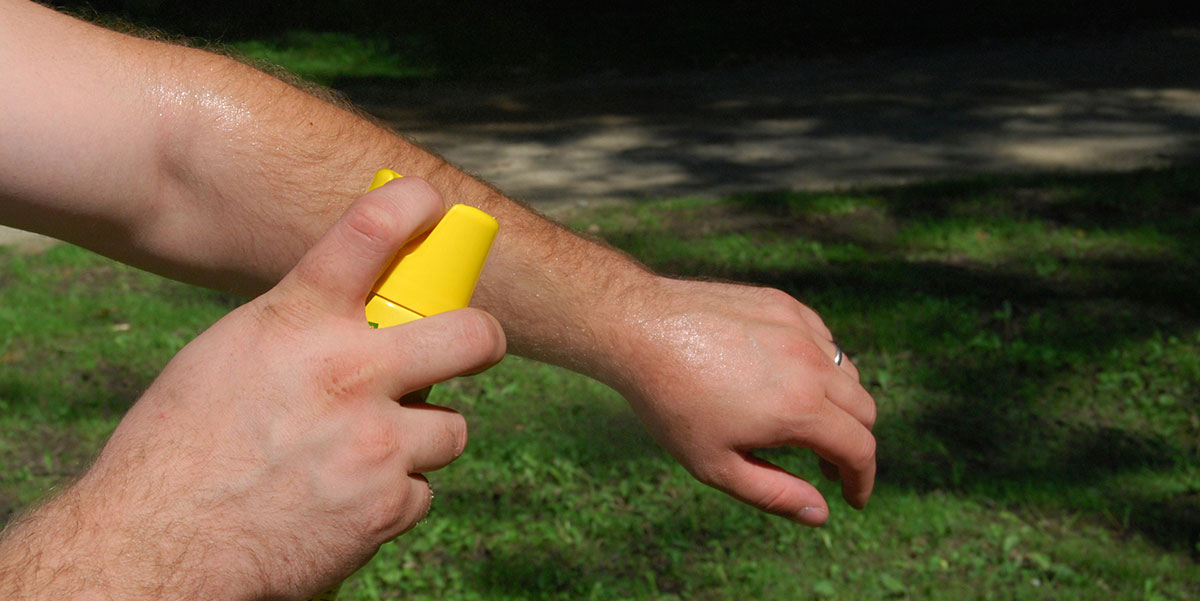
There is no vaccine or drug to prevent WNV. The only way to reduce the risk of getting infected is by avoiding mosquito bites as much as possible. All travellers should be advised about the importance of following good mosquito and insect bite prevention advice at all times. One type of mosquito that spreads WNV usually bites in the evening and at night, but other mosquitoes that can carry WNV bite during the day.
More detailed advice can be found in our WNV factsheet.
Resources
- European Centre for Disease Control and Prevention: Surveillance of West Nile virus in humans in Europe, weekly report
- UK Health Security Agency: Mosquito bite avoidance: advice for travellers
- UK Health Security Agency: West Nile virus: epidemiology, diagnosis and prevention
- US Centers for Disease Control and Prevention: Data and Maps for West Nile
- World Health Organization: West Nile Virus
Explore more
Malaria
Malaria is a serious and sometimes fatal disease, transmitted by the bite of an infected mosquito occurring in many tropical regions of the world
Marburg disease
Marburg virus is an animal-borne (zoonotic) virus that can cause a severe and often fatal haemorrhagic fever called Marburg disease (MARD)
Methanol poisoning
Methanol is a clear, colourless liquid; drinking methanol, even in very small amounts, is extremely dangerous
Mpox
Mpox is an infectious disease caused by the virus MPXV
COVID-19
The typical symptoms of COVID-19 are fever and a cough that may progress to pneumonia causing shortness of breath and breathing difficulties
Recent West Nile virus Outbreaks
West Nile virus in Italy
As of 5 August 2026, 139 locally acquired cases of West Nile virus have been reported in 50 provinces in Italy. Please see our Topics in Brief article for further details on West Nile virus.
West Nile virus in Canada
On 30 July 2026, the first case of West Nile virus during 2026 was reported in Toronto, Canada. Please see our Topics in Brief article for further details on West Nile virus.
West Nile virus in Greece
As of 29 July 2026, 42 locally acquired cases of West Nile virus have been reported in eight areas in Greece. Please see our Topics in Brief article for further details on West Nile virus.
West Nile virus in Spain
As of 29 July 2026, seven locally acquired cases of West Nile virus have been reported in two areas in Spain. Please see our Topics in Brief article for further details on West Nile virus.